

Cabinet Wood Species & Materials
The Right Cabinetry Starts With the Right Material
Choosing the material for your cabinetry is about much more than choosing a colour you like.
The wood species or material you select influences the grain, colour variation, texture, durability, finish and overall character of your cabinets. It can also affect how consistent one door looks compared with another, how the cabinetry responds to its environment, and how its appearance develops over time.
That is why we believe you should understand what you're choosing before your cabinetry is built.
At Woodmaster, we work with traditional woods and modern cabinet materials to create cabinetry suited to different homes, lifestyles and design preferences. Our role isn't simply to show you samples. It's to help you understand the differences so you can choose confidently. Woodmaster's existing work demonstrates this range, including several stained or natural wood species, wood veneers, MDF doors and solid-colour finishes.
Understanding Natural Wood
One of the most important things to understand about real wood is also one of the reasons people choose it:
It isn't perfectly uniform.
A tree doesn't grow in a factory. Its grain, colour and individual characteristics develop naturally over many years. The lumber produced from it retains those differences.
Depending on the species, you may see variations in:
grain pattern
colour and tone
heartwood and sapwood
mineral streaking
figuring
knots and other natural characteristics
Some species are relatively subtle and consistent. Others can produce dramatic differences from one board or one cabinet door to the next.
Neither is inherently better.
The question is which appearance you prefer in your home.
If you want cabinetry with unmistakable natural character, a species with greater variation may be exactly what you're looking for. If you prefer a quieter, more uniform appearance, another wood or material may be a better choice.
Understanding that distinction before making your selection can make an enormous difference in how satisfied you are with the finished cabinetry.
Natural Variation Is Part of the Material
When viewing a small wood sample, it's important to remember that you're seeing exactly that: a sample.
It cannot represent every grain pattern, shade or natural characteristic that may appear throughout an entire kitchen.
A full kitchen can contain dozens of doors, drawer fronts, panels and finished components. Natural variation becomes much more visible across that larger area.
This is particularly important with highly characteristic woods such as hickory. The contrast between lighter sapwood and darker heartwood can be substantial, creating cabinetry with considerable natural variation.
For one homeowner, that variation is precisely why they fall in love with the material.
Another homeowner may prefer something more consistent.
Both preferences are perfectly valid. What matters is knowing what to expect before you choose.
Our individual wood guides are designed to help you do exactly that.
Explore Our Most Popular Wood Species
We've created individual guides to help you understand the materials available for custom cabinetry in much greater detail.
Each guide will cover the characteristics that matter when making your decision, including:
appearance and grain
natural colour variation
hardness and durability
advantages
considerations
finishing options
how the material may change over time
care requirements
suitable design styles
where it works particularly well
what you should know before choosing it
Most importantly, we'll tell you when a particular material may not be the best choice for what you want.
We believe an informed decision is more important than simply making a sale.
Wood Species:
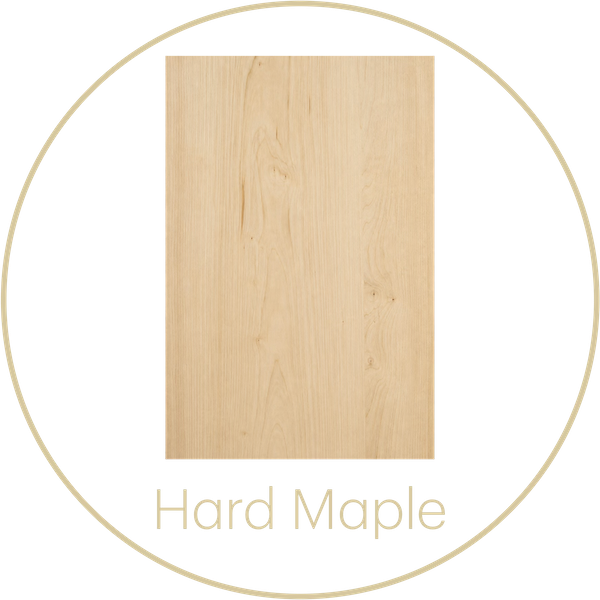
Clean, versatile and naturally understated. Hard maple typically has a fine, subtle grain and lighter colouring, making it well suited to a wide range of cabinetry styles and finishes. Its combination of durability and restrained natural character has made it an enduring cabinetry choice.
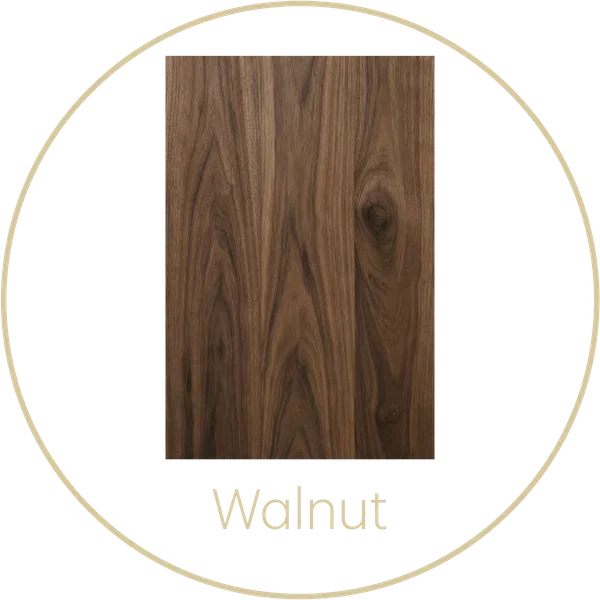
Rich, warm and unmistakably elegant. Walnut is prized for its naturally deep brown colouring, flowing grain patterns and sophisticated appearance. Its colour and character can vary considerably, giving finished cabinetry a depth that is difficult to reproduce with other woods.
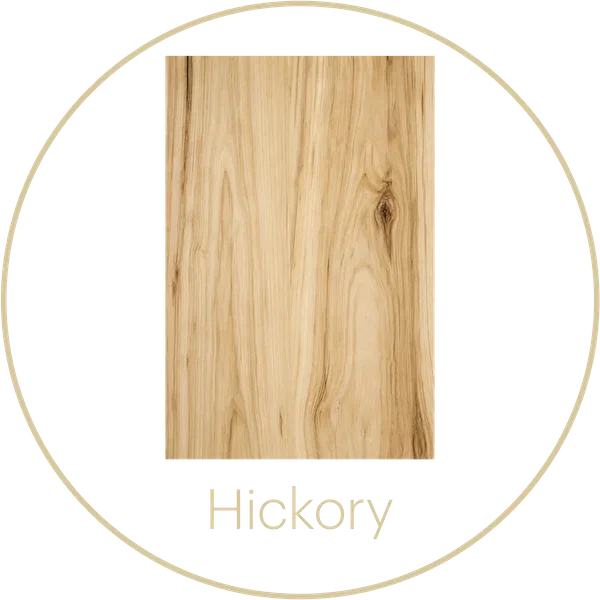
Bold, distinctive and full of natural character. Hickory is known for its striking grain and dramatic colour variation, which can range from creamy whites to rich browns within the same piece. If you appreciate cabinetry where the natural character of the wood takes centre stage, hickory is worth exploring.
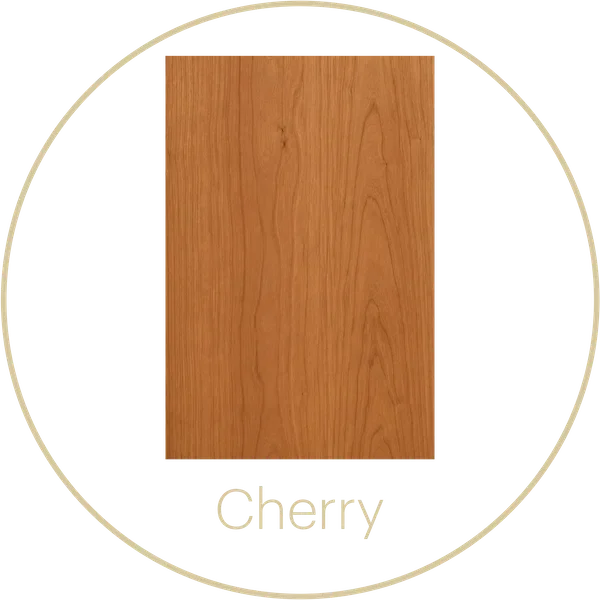
Warm, smooth and increasingly rich with time. Cherry is known for its fine grain and warm natural colouring, but one of its most interesting characteristics is how its appearance develops as it ages and is exposed to light. That natural evolution gives cherry cabinetry a character all its own.
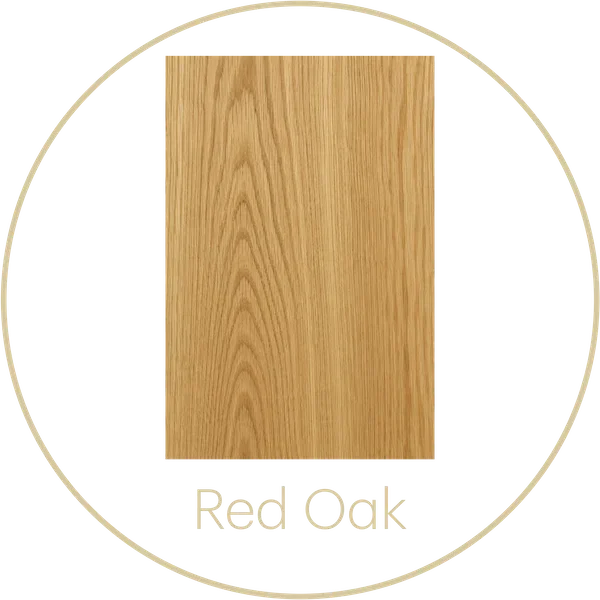
Distinctive grain with enduring character. Oak is immediately recognizable for its prominent grain pattern and natural texture. Durable and remarkably versatile, the right design and finish can take oak well beyond its traditional associations and create cabinetry that feels warm, contemporary or timeless.
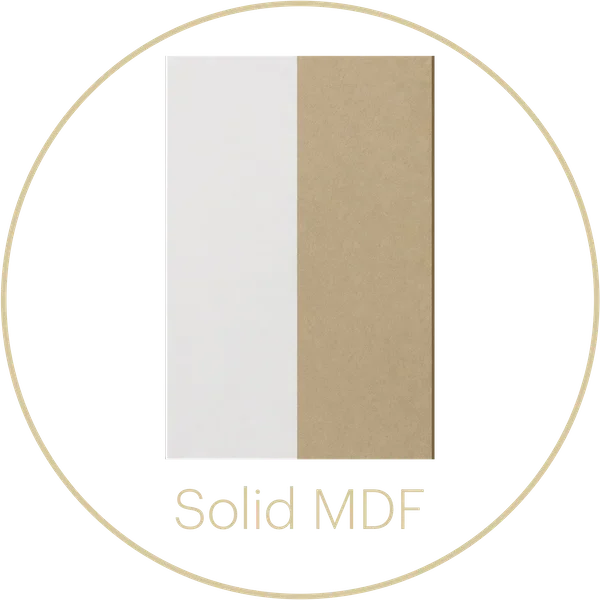
Solid-Core MDF Panel
A smooth, consistent engineered wood material with no natural grain or colour variation. Its uniform surface makes it particularly well suited to painted cabinet doors and clean, contemporary designs.
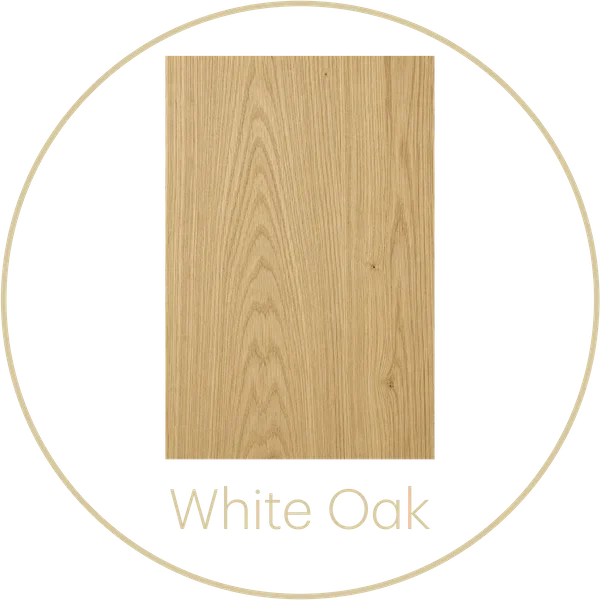
Natural warmth with a refined, distinctive grain. White oak combines durability with an attractive grain that can feel equally at home in traditional or contemporary spaces. Its warm, neutral colouring and versatility with different finishes have helped make it particularly desirable in modern cabinetry.
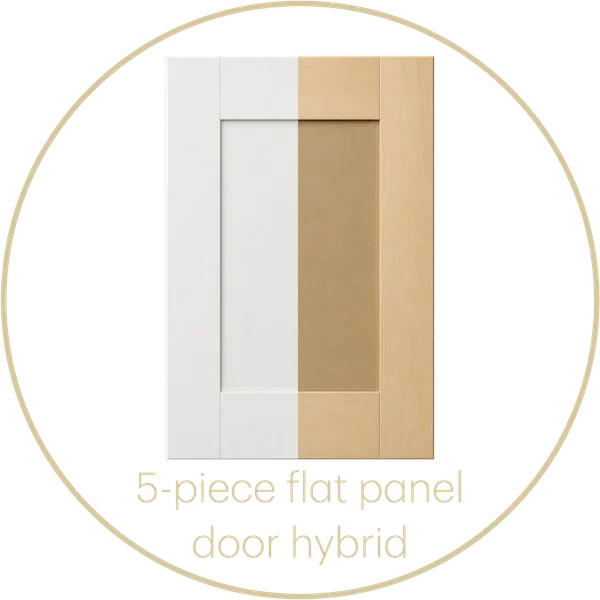
Five-Piece Maple & MDF Hybrid
A traditional five-piece construction combining a solid maple frame with a smooth, flat MDF centre panel. This combination brings natural wood character to the frame while providing a clean, uniform centre surface.
Looking for something different?
These are some of the wood species most commonly selected for Woodmaster cabinetry, but they aren't your only options. Other cabinet-grade woods may be available depending on your project, design and budget. If you have a particular species in mind, talk to our design team about what's possible.
Wood Is a Natural Material
Wood also continues to respond to its surroundings after it has been crafted into cabinetry.
Changes in indoor humidity can cause wood to absorb or release moisture. As that happens, small amounts of expansion and contraction are natural.
In Central Alberta, where indoor conditions can vary considerably between seasons, understanding and managing the environment within your home is particularly important for natural wood products.
This doesn't mean your cabinets should constantly change shape or require attention. Properly manufactured cabinetry accounts for the natural characteristics of wood. But it does mean that expecting natural wood to behave exactly like an entirely manufactured material isn't realistic.
We'll explore this subject much more thoroughly in our Understanding Natural Wood and Cabinet Care & Ownership guides.
Choosing a Wood Species
Different wood species bring distinctly different characteristics to cabinetry.
Rather than choosing solely from a photograph, consider several factors.
Appearance
Do you prefer a prominent grain or something more subtle?
Do you enjoy natural colour variation, or would you rather have greater consistency throughout the room?
Character
Some woods make their natural origin immediately apparent. Others provide a quieter backdrop that allows the cabinetry design, finish or surrounding features to take more visual prominence.
Finish
The same wood can look remarkably different depending on whether it is left close to its natural colour or finished with a light, medium or dark stain.
Wood species also accept stains differently, which means the material itself remains an important part of the final appearance.
Durability
Cabinetry is used every day.
Hardness, resistance to everyday wear and the intended use of the room should therefore be considered alongside appearance.
Your Expectations
Perhaps most importantly, ask yourself:
What do I expect the finished cabinetry to look like?
If substantial natural variation would bother you, knowing that before choosing a highly variable species is valuable.
If you love knowing that no two doors will look exactly alike, that same characteristic may make natural wood particularly appealing.
Beyond Natural Wood
Beautiful custom cabinetry doesn't have to be made exclusively from visible natural hardwood.
Modern cabinetmaking gives us access to engineered and manufactured materials that can offer excellent stability, consistency and design flexibility.
Woodmaster has decades of experience working with both traditional wood species and modern materials, allowing the material to be selected according to the requirements of the project rather than forcing every design into the same solution.
Depending on the design, this may include materials such as:
wood veneers
MDF
engineered cabinet components
solid-colour and painted surfaces
other contemporary decorative materials
These shouldn't automatically be thought of as substitutes for "real wood."
They are different materials with different strengths.
For example, a homeowner seeking a smooth, consistent painted finish may have very different material requirements from someone wanting the natural grain and variation of stained hardwood.
Good cabinet design begins with choosing the appropriate material for the desired result.
Wood, Veneer or Manufactured Material?
There isn't a universal answer.
Natural wood may be desirable when its grain, warmth and individual character are central to the design.
Wood veneer can provide genuine wood appearance while allowing cabinetmakers to use the material in applications where dimensional consistency or construction requirements make it particularly appropriate. Woodmaster's portfolio includes contemporary cabinetry using wood veneer as a deliberate design feature.
Manufactured materials can provide greater visual consistency and are particularly useful for certain painted and contemporary cabinet styles.
What matters isn't whether one material can be labelled "better."
What matters is whether it is the right material for the application, appearance and performance you expect.
That's something our designers can help you determine.
Your Finish Changes Everything
Choosing the material is only part of the decision.
The finish applied to it can dramatically influence its final appearance.
A natural or lightly stained wood may highlight grain and colour variation. A darker stain can change which characteristics become most prominent. Painted and solid-colour cabinetry creates an entirely different appearance.
Woodmaster's portfolio demonstrates cabinetry ranging from natural and stained woods to white, blue, charcoal and other solid-colour finishes, as well as combinations of materials within the same room.
That's why we don't believe material and finish should be considered separately.
They need to work together.
We'll explore those choices in detail in our Cabinet Finishes Guide.
Seeing a Sample Is Only the Beginning
Samples are essential when selecting cabinetry, but they need to be understood in context.
When considering a natural wood, look beyond whether you like the particular piece you're holding.
Ask:
How much variation occurs naturally in this species?
Will every door look similar to this sample?
How will a stain affect the grain and colour?
Does the wood change noticeably with age or exposure to light?
How might a complete room look compared with this small sample?
Those questions are often more valuable than simply asking, "Do I like this colour?"
When possible, viewing completed cabinetry and larger examples can also help you understand how a material behaves across an entire project. Woodmaster's extensive galleries provide examples across kitchens, bathrooms, bars, laundry rooms, fireplaces and other custom woodworking applications.
Materials & Alternative Surfaces
Natural wood isn't the right choice for every cabinet door—or every design.
Woodmaster also works with modern materials that can provide greater consistency, different finishing possibilities and design options that natural hardwood cannot always achieve in the same way. Woodmaster's existing portfolio includes MDF doors, wood veneer and contemporary solid-colour cabinetry.
Wood Veneer
Real wood veneer provides the grain and character of genuine wood while allowing it to be used differently than solid hardwood. It can be particularly effective in clean, contemporary designs where grain direction and consistency become intentional design features.
MDF
MDF provides a smooth, consistent surface that is particularly well suited to painted cabinet doors. Unlike natural wood, there is no grain or natural colour variation competing with the finished colour.
Painted & Solid-Colour Finishes
When the goal is a specific colour rather than visible wood grain, painted and solid-colour surfaces open an entirely different range of design possibilities—from classic whites and neutrals to blues, charcoal and other statement colours. Woodmaster's portfolio already demonstrates this range.
Other Contemporary Materials
Modern cabinetmaking continues to offer materials and surfaces beyond traditional hardwood. The appropriate choice depends on the appearance, performance and design you're trying to achieve.
The important question isn't whether natural wood or a manufactured material is better. It's which material is better suited to the result you want.
Not Sure Which Material Is Right for You?
You don't need to arrive at Woodmaster knowing exactly which wood species, material or finish you want.
That's part of the design process.
Bring us your ideas, photographs, colours and thoughts about how you want your new space to feel. We'll listen to what you're trying to achieve, show you appropriate options, explain the differences and help you make a choice that works for your home.
Woodmaster has been designing and crafting cabinetry in its Red Deer workshop for more than three decades. That experience allows the team to work across traditional wood species, contemporary materials, stains and finishes while keeping the focus on what the homeowner actually wants from the finished space.
You don't need to become a cabinetmaker to make a good cabinetry decision. You just need enough good information to make an informed one.